
About
SHI employs scholars and works with outside researchers to advance knowledge about Tlingit, Haida, and Tsimshian cultures. The institute’s projects have included research on the underwater environment in Southeast Alaska, the health of herring and black seaweed—both vital subsistence foods—clan crests, the ingenious designs of traditional halibut hooks, Alaska Native blood quantum rules under the Marine Mammal Protection Act, and the sharing of subsistence resources, to name a few. Many of the findings are published as books through SHI’s Box of Knowledge series.
Examples of Research
Black Seaweed
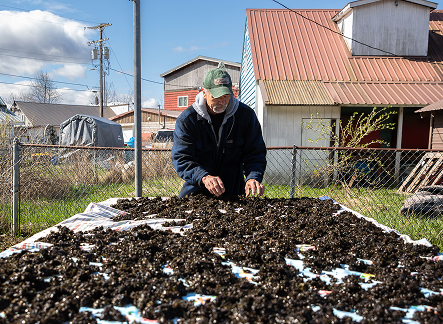
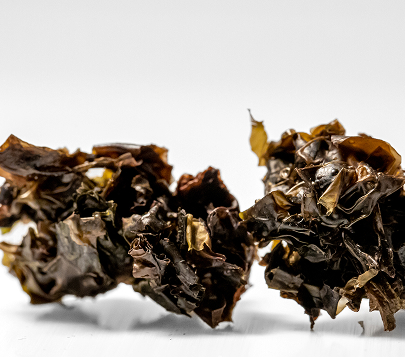
SHI’s black seaweed ethnography project aims to document the harvest, use, distribution, and cultural importance of black seaweed to the Indigenous people of Southeast Alaska. The project currently includes Angoon, Hoonah, Hydaburg, Kake, Ketchikan/Saxman, Klawock/Craig, Metlakatla, Sitka, and Yakutat. The research includes community meetings, harvest trips, and interviews in each community.
Clan Crests
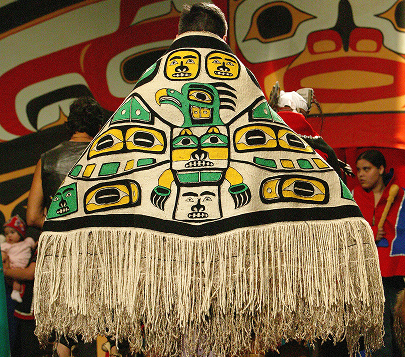
SHI is documenting Tlingit, Haida, and Tsimshian clan crests, in collaboration with Sealaska Corporation and the institute’s Council of Traditional Scholars. Through oral histories, the project aims to document the origin, cultural significance, and clan ownership of 12 crests to create a publication and a webpage for revitalizing Southeast Alaska Native cultures and educating the public about the sacred nature of crests, their clan ownership, and all tangible and intangible intellectual property associated with them. In phase one of the project, staff documented six Tlingit crests owned by the Kaagwaantaan, L’eeneidí, Lukaax̱.ádi, Shangukeidí, T’aḵdeintaan, and Wooshkeetaan clans.
Our Submerged Past
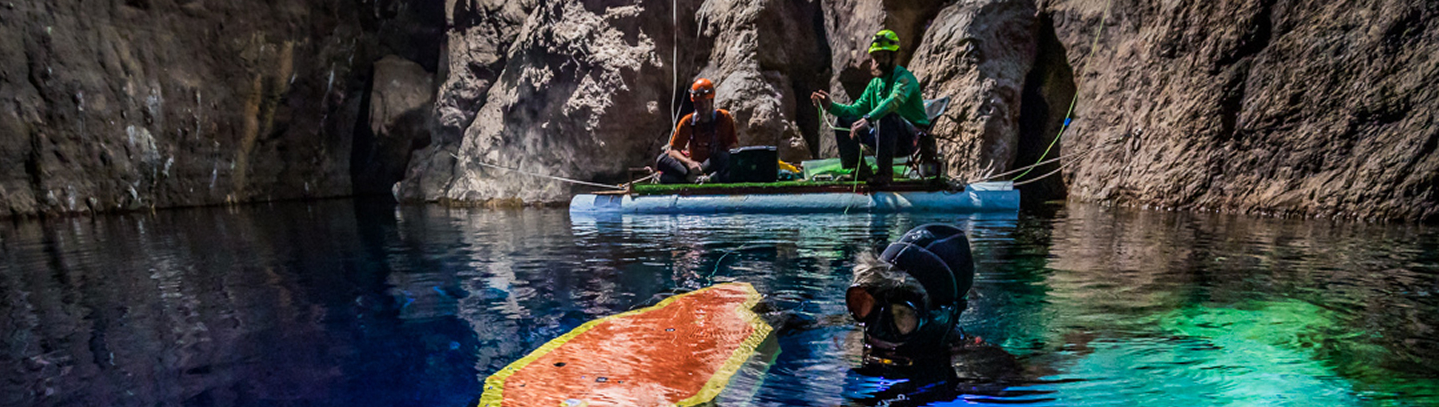
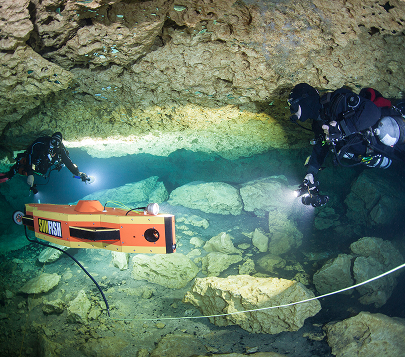
SHI, in partnership with a team of scientists, used artificial intelligence to explore ancient, submerged caves in the region to seek evidence of early human occupation. The goal was to locate and explore submerged caves and rock shelters that would have been accessible to early inhabitants of the region. Since the location of these submerged caves and rock shelters on the continental shelf places them closer to the coastlines of late Pleistocene Alaska (10,600–17,000 years ago), the project had the potential to transform our understanding of how and when people migrated to the Americas. In 2022, the team discovered what might be the oldest stone fish trap ever found in the world. The existence of the trap, which is thought to date to at least 11,400 years ago, pushes back Native occupation of the region by more than 1,400 years. Previous scientific studies have confirmed that Indigenous people lived in Southeast Alaska at least 10,000 years ago.
Transcriptions & Translations
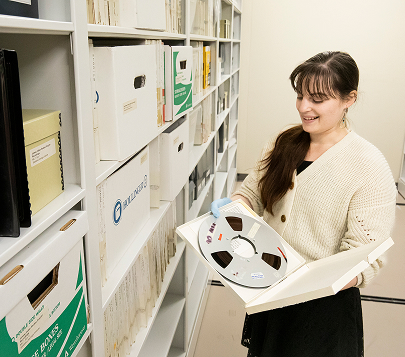
SHI’s William L. Paul Sr. Archives is home to thousands of audio and audiovisual recordings, most of which cannot be found in other libraries or archives. Many of the recordings are on older formats, such as reels, while others exist on more modern media, including Mini DV tapes. Staff spends an enormous amount of time seeking grants to safely migrate the materials to a digital format and transcribing and translating the recordings made in Tlingit, Haida, and Tsimshian to English. Many of the recordings were made by the late Nora and Richard Dauenhauer, who spent much of their careers recording ancient stories and histories told by traditional scholars years ago. SHI’s goal is to make these recordings accessible to the wider public and to preserve the knowledge documented in the tapes for generations to come.
Southeast Alaska Indigenous Genomics Working Group
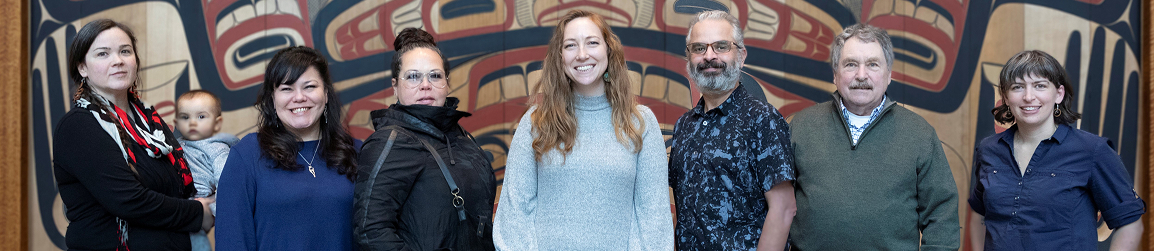
SHI is a partner for the Southeast Alaska Indigenous Genomics Working Group, which discusses current genomic technologies and applications and prioritizes interests in these technologies in relation to Southeast Alaska community needs. One aim is to develop culturally-informed guidelines and resources for performing DNA analysis and research. The group consists of researchers and Indigenous partners and is led by Dr. Alyssa Bade at Oregon State University and Dr. Ripan Malhi at the University of Illinois Urbana-Champaign.
Highlights of Past Research
-
Tlingit Raven Stories
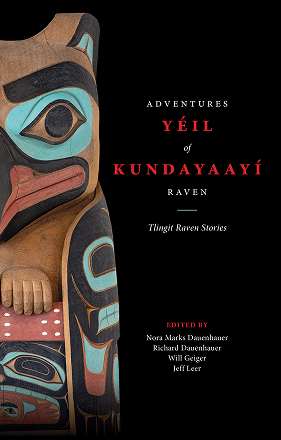
Raven is a legendary cultural hero, world-maker, and trickster figure among the Tlingit of Southeast Alaska. Here his adventures appear for the first time in the original language—transcribed directly from recordings of oral performance—accompanied by facing English translations.
Purchase (opens in a new tab) -
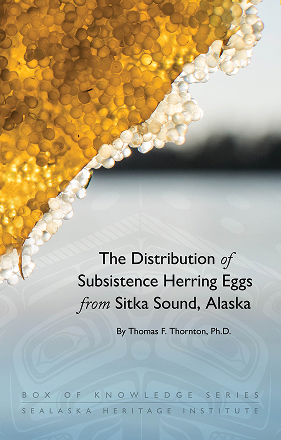
Herring Eggs
This book details the extensive material, social, and ceremonial benefits that flow from the sharing, gifting, and exchange of herring eggs collected at Sitka Sound, some 87 percent of which are distributed by harvesters to more than 40 communities around Alaska and beyond.
Purchase (opens in a new tab) -
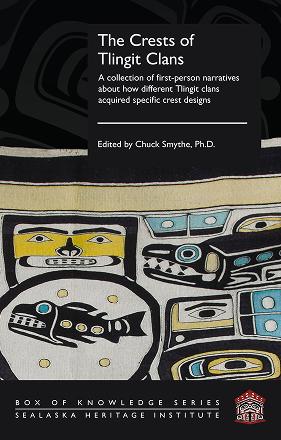
Tlingit Crests
Crests are the most important symbols of the history and identity of Tlingit clans. In this collection of first-person narratives, clan leaders and spokespersons describe how different Tlingit clans acquired specific crest designs.
Purchase (opens in a new tab) -
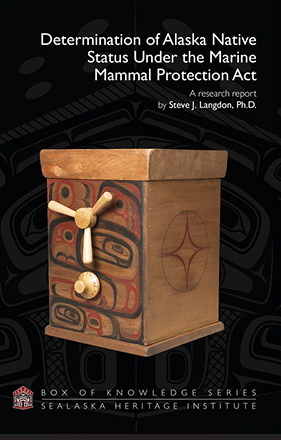
Blood Quantum
Alaska Natives face many complex issues in the 21st century. This report addresses issues associated with the question of defining who is an Alaska Native under the regulatory definitions of the Marine Mammal Protection Act.
Purchase (opens in a new tab) -
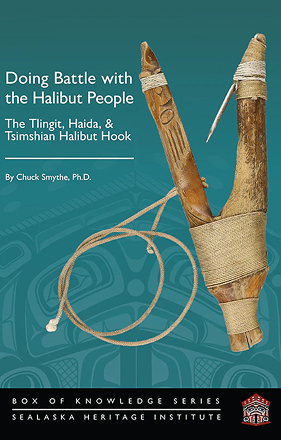
Halibut Hooks
This volume is the most comprehensive book ever published on traditional northern Northwest Coast halibut hooks, known as náxw in Tlingit. The book delves deeply into the Indigenous engineering, use of, and spiritual dimensions of the hooks.
Purchase (opens in a new tab) -
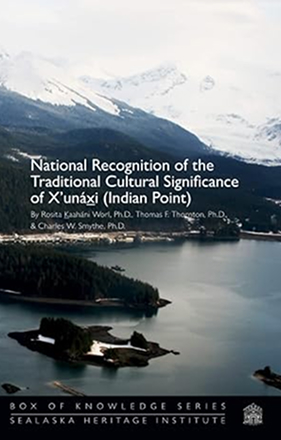
X’unáx̱i (Indian Point)
This three-essay booklet by Dr. Rosita Worl, Dr. Thomas Thornton, and Dr. Chuck Smythe documents the historic and decades-long battle to protect Juneau’s Indian Point, near Auke Bay, Alaska, considered to be a sacred site to Native people.
Purchase (opens in a new tab) -
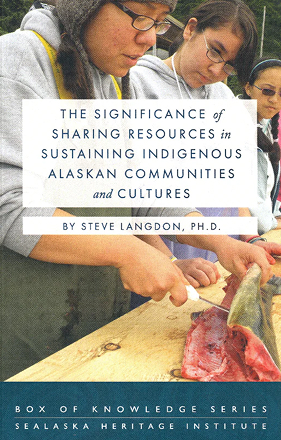
Sharing Resources in Indigenous Communities
This essay explores the significance of sharing as a foundational value and practice of Indigenous Alaskan cultures. Sharing is necessary as part of the covenant with fish and animals who give themselves to those who share generously.
Purchase (opens in a new tab) -
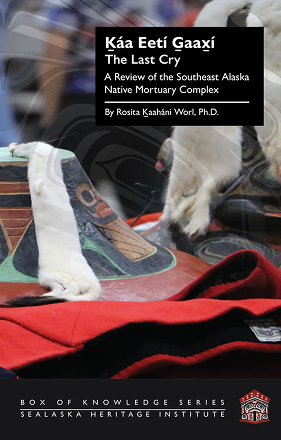
The Last Cry
This booklet provides a brief review of Tlingit memorial rites based on the personal knowledge and experience of the author and her years of study, as well as references from prominent traditional and academic scholars on Southeast Alaska Native cultures.
Purchase (opens in a new tab)