
About
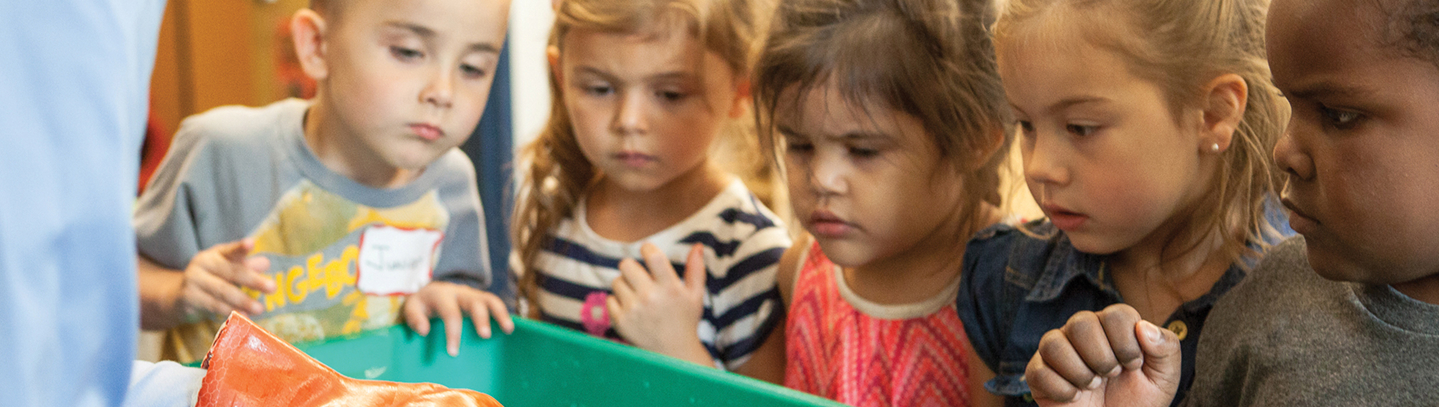
SHI develops curricula resources for teachers to use in classes, as studies have shown Native children do better academically when their culture and worldview is reflected in school. We encourage educators to use our resources whenever possible.
Baby Raven Reads Books & Lesson Plans
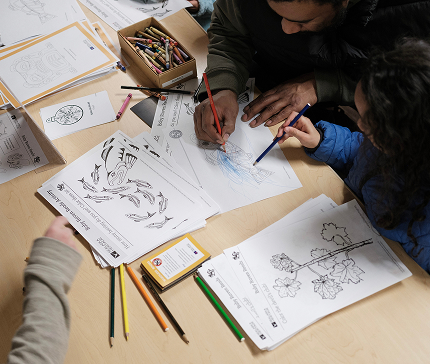
SHI sponsors Baby Raven Reads, an award-winning program that promotes early-literacy, language development, and school readiness for Alaska Native families with children up to age 5. Baby Raven Reads improves early literacy skills by translating cultural strengths into home literacy practices. The program provides family literacy events, training for care providers, and professional development for early childhood educators. Through the program, SHI also develops and publishes Baby Raven Reads books and lesson plans. Hardcopy versions are available through the Sealaska Heritage Store. SHI’s educators use the lessons below along with the books.
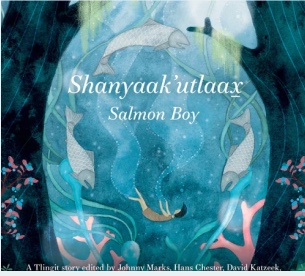
Shanyaak’utlaax̱: Salmon Boy
After a Tlingit mother gives her son a dried piece of salmon with mold on the end, he flings it away in disgust, committing a taboo. This offends the Salmon People, who sweep him into the water and into their world, where they name him Shanyaak’utlaax̱, or Salmon Boy.
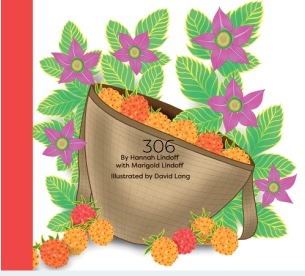
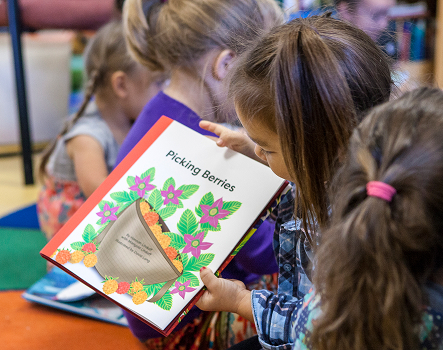
Picking Berries
Discover the different types of berries that grow in Southeast Alaska, while also learning the names for berries in Lingít (Tlingit language), X̱aad Kíl (Haida language), and Shm’algyack (Tsimshian language).
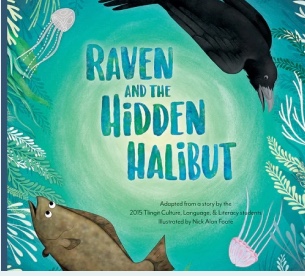
Raven and the Hidden Halibut
A new Tlingit story inspired by ancient oral traditions that have been passed down through generations. Playing a game of hide and seek, Ch’áatl hides so well, Yéil asks many friends for help to try and find him.
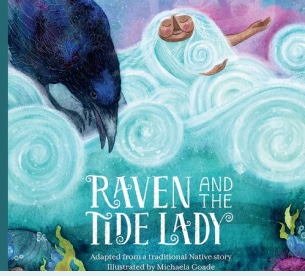
Raven and the Tide Lady
Raven is hungry. The Tide Lady controls the tide. She will not let the tide go down, and Raven cannot harvest the food he wants. What will Raven do?
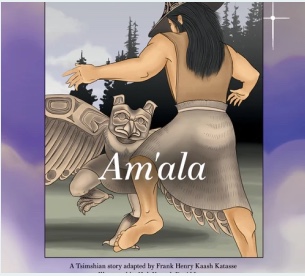
Am’ala
In this traditional Tsimshian story, a young man who is teased by his brothers for being lazy and dirty trains secretly with a spirit and gains superhuman strength. He takes on warriors, animals, and even a mountain before facing his greatest challenge—the world itself.
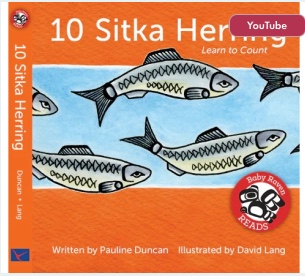
10 Sitka Herring
Learn to count herring, a traditional and important food of Southeast Alaska!
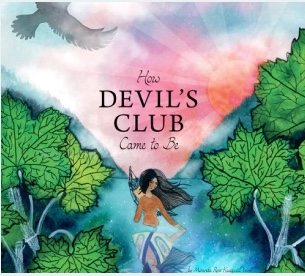
How Devil’s Club Came to Be
An original story inspired by ancient oral traditions that have been handed down through generations; it is not a traditional Tlingit story. Raven’s niece discovers the healing medicine of S’áxt.
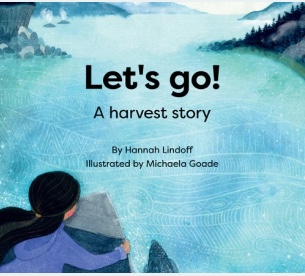
Let’s go! A harvest story
Learn about Southeast Alaska Native subsistence activities and foods. Readers travel on a journey through the seasons while exploring Native traditions, cultural values, and the beautiful and bountiful Southeast Alaskan landscape.
Raven Writes Lessons
Raven Writes is a writing program that provides culturally relevant writing curricula, family engagement activities, and professional development for elementary students, teachers, and families. We encourage educators to use our Raven Writes resources.
Interested?
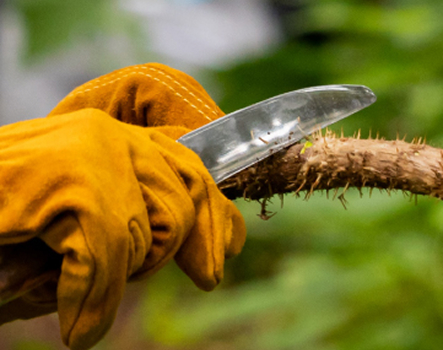
Voices on the Land
Through Voices on the Land, SHI offers an in-person and virtual camp for students in grades 4–6, as well as an in-person and virtual camp for students in grades 7–8. The institute also offers a virtual summer intensive program for students in grades 4–8 who live outside of Juneau. The program integrates visual, performing, and digital arts with traditional knowledge. Through the experience, students use storytelling to create stop-motion animation videos, learn the elements of Northwest Coast formline design, while keeping an artist’s journal and making a traditional drum; and use the skills of the actor’s toolbox and reader’s theater to explore and perform Raven stories handed down through the ages. SHI encourages educators to use the video shorts below in class.
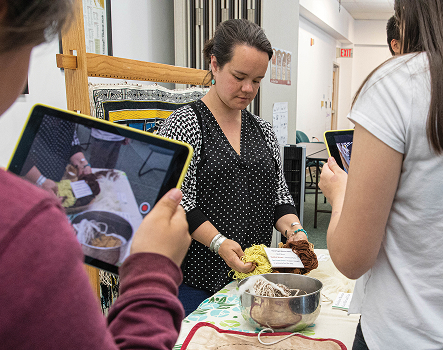
Voices on the Land videos
Watch Voices on the Land students’ video shorts on Southeast Alaska’s Indigenous peoples’ four core cultural values.
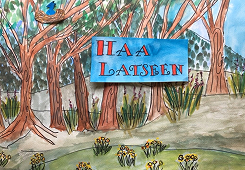
Haa Latseení
Strength of Body, Mind, and Spirit.
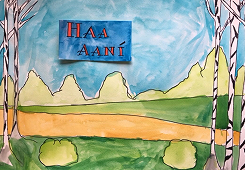
Haa Aaní
Honoring and Utilizing Our Land.
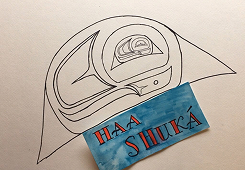
Haa Shuká
Honoring Our Ancestors and Future Generations.
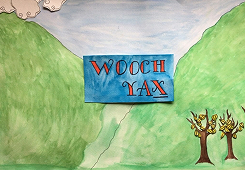
Wooch Yáx̱
Maintaining Spiritual and Social Balance.