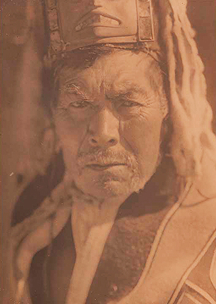
In using resources, it is important to understand the nature of the records you will be working with and the rules governing their use at archival repositories or libraries. Most archival repositories will not let you check out archival materials, but in most cases photocopies of records can be generated for a fee. Libraries and archives will generally have resources that assist you in searching their numerous collections, such as finding aids (descriptive inventories) for archival collections.
We encourage the study of Alaska Native genealogy and clan history and receive numerous requests from people who want to learn about their ancestors and clan membership. The information below is designed to serve as a basic guide and to assist those interested in discovering more about their ancestors and clan heritage. We suggest researchers also seek genealogical and clan information from family, clan leaders, and other clan members. Southeast Alaska Natives trace their clan membership through the maternal line.
How to Conduct Basic Genealogy and Family History
- Identify what you know about your ancestors
You have probably seen photos or heard stories about your ancestors or concerning your clan’s history. Use this information as a starting point. Talk to relatives, clan leaders, and people who may recollect information about the family and clan or those who have family records in their possession documenting your family and clan history. - Decide what you want to learn
After you have learned all you can from family and clan members, you will next need to decide what you desire to know. Some people interested in genealogy often desire to create pedigree charts, such as a family tree showing a family line going back generations. This is largely a matter of collecting names, and birth, marriage, and death dates. Others are interested in stories about family and the lives of their ancestors, as well as clan history. If not learned about from family members and clan leaders, information of this nature will often be found in published works held in libraries or in unpublished records kept at archival repositories. - Select which records to search
Your questions will be answered more fully if you choose the right records to research. If you want to know when a person passed away, search newspaper obituaries, cemetery records, death certificates, and other similar documents to determine this information. If you want to know about clan history visit libraries and archives and inquire about rare publications, Alaska Native periodicals, or audio recordings. To obtain access to these records you will need to determine what entity keeps these records, whether library, archive, city office, or other. - Obtain and search the record
Contact the research entity that may have the records you desire to view. Examine their website for tips on how to find the resources you need. Plan your visit and search the records for pertinent information. Take notes and understand that conducting genealogy and researching clan history takes time and effort, but it can be very rewarding. - Genealogy Resources at SHI
- Kim Lea’s Tlingit, Haida, and Tsimshian Genealogy
This genealogy contains the most comprehensive collection of genealogical information on Tlingit, Haida, and Tsimshian people. It was compiled by Kim Lea and is regularly updated. Researchers can search for individuals alphabetically by surname or by keyword. This resource is only available in the reading room for in-person reference use. It is very challenging to use SHI’s resources to identify which clan you belong to; most of the Kim Lea genealogy is based off governmental records (vital records, census, etc.) and does not include Indigenous names or clan affiliation. BIA census records also rarely include that info. SHI’s staff is always happy to facilitate access to the materials in the archives, but this is a common question and there is no easy answer. To see this resource, contact our archivist at shiarchives@sealaska.com. - Bureau of Indian Affairs
The BIA conducted censuses of the Native villages of Alaska. SHI holds copies of these census records; the originals are held by the National Archives and Records Administration. These records show who was a member of each household in each of the villages at a specific point in time. This can be helpful with identifying extended family and confirming locations of ancestors.
- Kim Lea’s Tlingit, Haida, and Tsimshian Genealogy
Starting Genealogy and Family History Research (National Archives)
This is a free genealogy site, with some indexed Alaska names.
Research Outline: Indians of the United States and Canada (FamilySearch.org)
Link to SiteAlaska Land Records: Recorder’s Office
With these records it is possible to locate, research, and verify land ownership; users can search by name and date.
Alaska State Archives
For researchers interested in information on Alaska Native birth, death, and marriage records, in some instances these can be found at the Alaska State Archives, which contains official state records of Alaska. This repository also stores historic church, school, court, and other state records of interest to genealogists. Overall, the Alaska State Archives has a large and impressive collection of records and it is best to visit the archive in person to inquire about their collection holdings. The Alaska State Archives does, however, host a website specifically tailored to assist genealogists with research.
Alaska State Library
The Alaska State Library seeks to collect materials that document all aspects of Alaska life, and the library is a great place for genealogical resources. The library contains runs of all Alaska newspapers, most in microfilm format, which can be viewed by the public. This includes some rare Southeast Alaska Native periodicals, such as The Voice of Brotherhood, The Tlingit Herald, The Thlinget, and others. In some cases books about Alaska and certain Alaska towns will contain information of great value to genealogy researchers. A record of all books available in the United States can be found at WorldCat.org and if the local libraries do not own a specific book you desire, books can often be loaned to you through a local library (referred to as an inter-library loan). The library also maintains a webpage to assist those conducting genealogical research.
Alaska State Library Historical Collections
The Alaska State Library’s Historical Collections Division seeks to collect materials that document all aspects of Alaska life, but this department specifically stores the library’s rare books and archival collections. They may have collections of interest about specific Alaska Native individuals, such as in the Tlingit Indian Genealogy Notes and Information Collection, or the AJ Mine Personnel Index, which includes the ethnicity, age, birthplace, and parents or spouse of a person working in the mine.
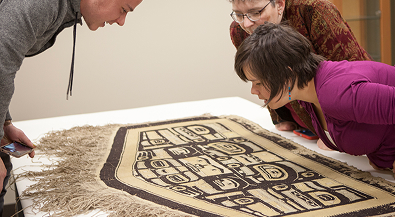
SHI seeks to collect materials that document the Tlingit, Haida, and Tsimshian people. The institute has some collections on specific individuals that may concern a family member or their role in a specific event or organization, such as the Alaska Native Brotherhood and Sisterhood, as well as records documenting the land claims struggle, which are found in its Curry-Weissbrodt Records Collection. SHI also has certain Southeast Alaska Native newspaper runs, including The Voice of Brotherhood, The Thlinget, and others, as well as books on Southeast Alaska Native history and life. The online database is where you can access finding aids that describe manuscripts, photographs, and recording collections that are stored in our archives as well as all of the art and ethnographic objects housed at SHI.
To make an appointment to see our materials, review the database and how-to videos on global searching, our archives directory, and our collections directory; decide what you want to research and materials you want to peruse; email archives to make an appointment; and check in at the front desk or contact the archivist when you arrive at the Walter Soboleff Building for your appointment.
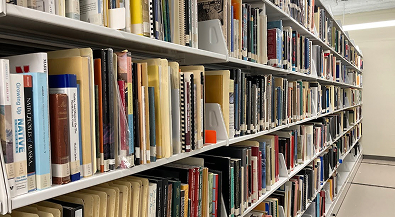
The Sealaska Heritage Library houses over 4,500 historical and contemporary books and periodicals on Tlingit, Haida, and Tsimshian culture, history, and language. These books include the works of scientists and scholars in art, history, anthropology, ethnology, archaeology, and social and natural sciences, as well as historical and descriptive accounts and observations by explorers, missionaries, travelers, and naturalists. The collection includes historical and contemporary educational publications, curriculum materials, language texts, and translations. SHI houses many rare and out-of-print books, trade books, and publications by university presses and museums.
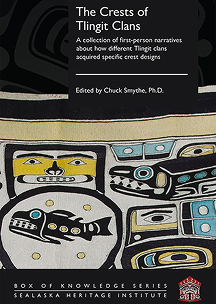
SHI established the first-ever registry of Tlingit clan crests—the most important symbols of the history and identity of Tlingit people—and published a book presenting the initial six clans and crests documented for the project. The book, The Crests of Tlingit Clans, features clan narratives that were prepared from transcripts of oral histories, interviews, videos and speeches given by clan leaders and clan spokespersons representing the clans whose crests are described in the volume.
The book also features imagery of the six crests, which were acquired by ancestors in the ancient past and represent crucial encounters with supernatural beings that determine the unique identity and character of clan members. The book is based on the registry, and SHI will continue to expand the resource as more crests are added.
- Donations and Appraisals
SHI is always looking to grow the collection of materials in its archives and art and ethnographic collections. If you have an art piece, tapes with language recordings, historic photographs, or other materials you think would fit our collecting scope, email the archives with photos and basic background information on the prospective donation. All donations are reviewed by the acquisitions committee before being accepted. SHI is in particular looking to grow our collection of Indigenous language materials, if you have recordings with Tlingit, Haida, or Tsimshian language on them please consider donating them to SHI. If they are on outdated formats (cassettes, reel-to-reel), SHI may be able to get them digitized and return digital copies to you (depending on available digitization funding). To inquire about donations, contact our archives at shiarchives@sealaska.com.SHI staff will not provide monetary value assessment of materials offered as gifts to SHI, brought in for identification, or submitted as a loan. The Internal Revenue Service (IRS) regards museums as interested parties, and will not accept their appraisals of donations. For further information concerning IRS regulations, one may obtain free copies of publication 561, Valuation of Donated Property and 526, Income Tax Deduction for Contributions from a local IRS office. Consult the IRS, your tax preparer, or an accountant for more specific information.
- Archival Celebration Footage
In 2022, SHI wrapped a major project to digitize and post online every Celebration since the inception of the event in 1982. Celebration is a dance-and-culture festival that has grown into the world’s largest gathering of the Tlingit, Haida and Tsimshian people. SHI sought grants to digitize and share past Celebration tapes so the footage could be used as a resource for dance groups wanting to learn from past performances, language learners wanting to hear Elders speaking, people wanting to learn more about their culture and to teach others about Southeast Alaska Native cultures. Click here to select the Celebration year you would like to watch. - Clan Loan Program
SHI works with Tlingit, Haida, and Tsimshian clans to care for at.óow and sacred objects and regalia. Clans may work with the institute to establish a long term loan agreement where SHI will care for the objects while in its care, and clans may take them out for ceremonies. At least two people identified as “authorized individuals” are named in the paperwork and must provide permission every time the objects are taken out. SHI requests two weeks notice to prepare the objects for use. To inquire about loaning materials to SHI, contact our archives at shiarchives@sealaska.com.