About
Traditional foods are an important part of Indigenous rites and the subsistence way of life. Subsistence resources are shared during ceremonies and comprise a large part of the diets of Native people, especially in rural communities where grocery prices are well above the national average.
As part of its mission, SHI works with tribes and communities to protect subsistence resources and to ensure the foods that have sustained our ancestors for thousands of years continue to do so for future generations.
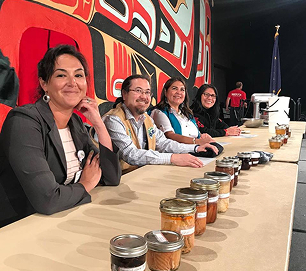
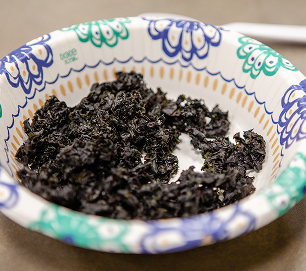
SHI sponsored its first Native food contest at Celebration 2002 to showcase the health benefits inherent in traditional Indigenous foods. That year, people competed for best black seaweed, which has been a valuable food source for the Native people of Southeast Alaska for thousands of years. Seaweed offers the broadest range of minerals of any food, containing virtually all the minerals found in the ocean—the same minerals that are found in human blood. It is a food source of the B-vitamin folate and magnesium and a good source of iron, calcium, and the B-vitamins riboflavin and pantothenic acid. In addition, seaweeds contain good amounts of lignans, plant compounds with cancer-protective properties. Seaweed is considered to be such an important traditional resource that it is often seen depicted in Native regalia and other pieces, such as the seaweed necklace at right.
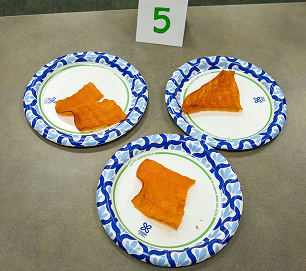
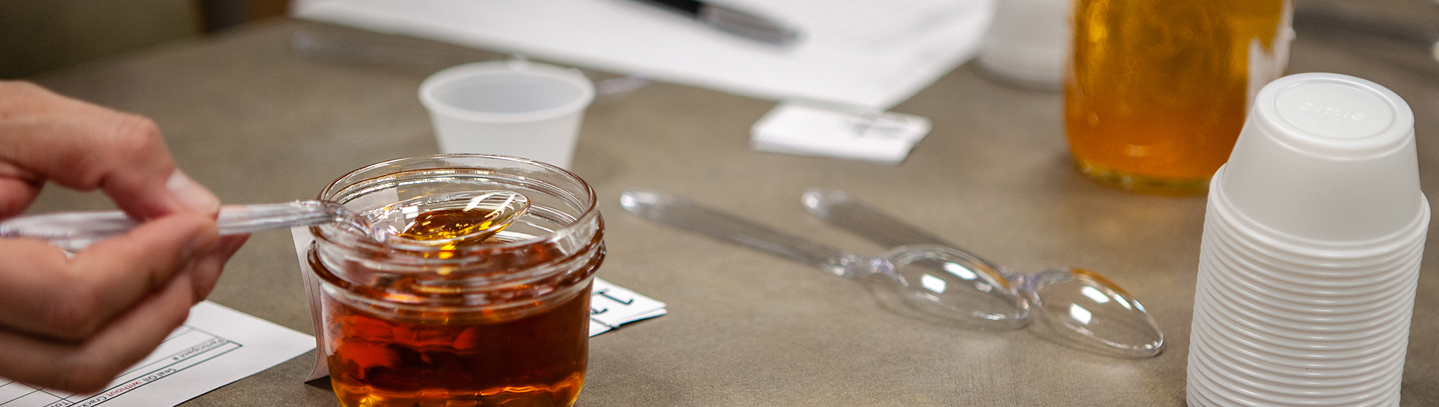
In subsequent years, SHI added other categories, including best dry fish and best seal oil. Dried salmon—king, sockeye, coho, and dog—has been a staple commodity that the Indigenous people of Southeast Alaska have depended upon for generations. Drying the fish requires long hours of preparation and work. Seal oil is added as a flavor in fish dishes and soups and used as a dip. It is a good source of vitamin A.
Contestants compete for cash awards in each category and winners are announced during Celebration.
Interested? Apply now!
Application (opens in a new tab)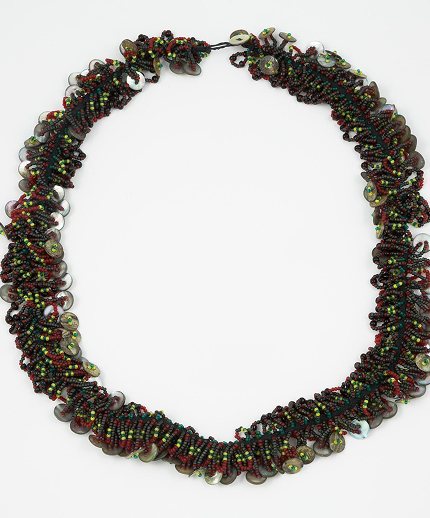
Scroll horizontally to browse all images. Previous and next buttons are available when JavaScript is active.