
About
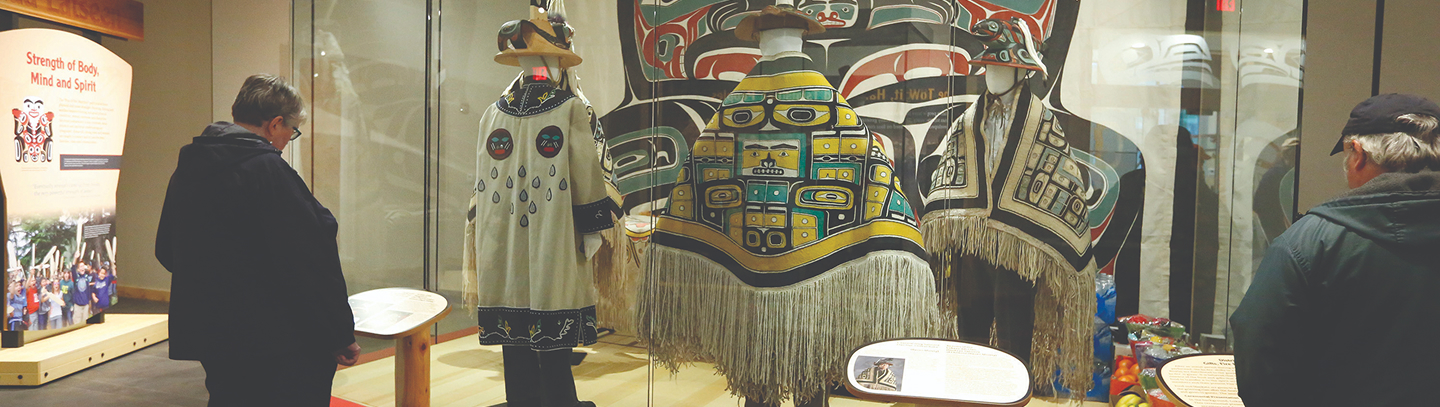
People often learn about Native cultures through museums and the stories told there. But, however well meaning, there is something lost when people outside of a culture attempt to tell the story of a culture. SHI is a place where Native people tell the Native story. To that end, SHI curates exhibits that delve into the history, art, and cultures of Tlingit, Haida, and Tsimshian people. SHI offers self-guided tours at its Walter Soboleff Building Nathan Jackson Gallery, which features new exhibits and permanent interactive displays.
Hours:
April 15–December 5
Monday–Friday: 10 am–6:30 pm
Saturday–Sunday: 10 am–4:30 pm
Tickets:
General admission (7 and up): $7
Elder (65+): $5
Active military: $5
Children under the age of 7: Free
Juried Art Show
May 15, 2026–December 4, 2026
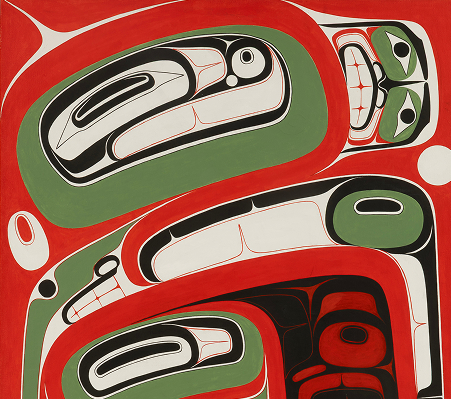
In 2026, SHI unveiled its new Juried Art Show, which features pieces by Tlingit, Haida, and Tsimshian artists. The goals are:
- To encourage and enhance the creation and production of Southeast Alaska Native objects of artistic value which have fallen into disuse and are becoming rare.
- To stimulate and enhance the quality of artistic work among our Native artisans.
- To encourage the development of new forms of art of purely Southeast Alaska Native form and design.
Our Grandparents’ Names on the Land
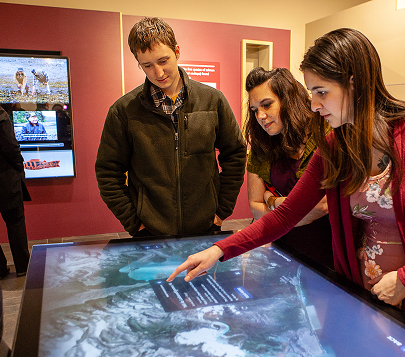
Our Grandparents’ Names on the Land is an interactive exhibit which explores ancient place names and the innovative inventions that were used to catch halibut and salmon. Native Voices on the Land allows visitors to touch Native place names on a table screen, see their English translations, and, in a majority of cases, hear Tlingit, Haida, and Tsimshian names spoken in the Indigenous language. Salmon People explores the intertidal fish traps and lures invented by ancient Tlingit fishermen that allowed them to harvest salmon in a way that protected the populations. Halibut, Attack the Hook! explores the remarkable hooks invented by Southeast Alaska Native people. The hooks were engineered to catch medium-sized halibut, leaving the smallest and the largest fish behind to promote the conservation of the species.
Past Exhibits
-
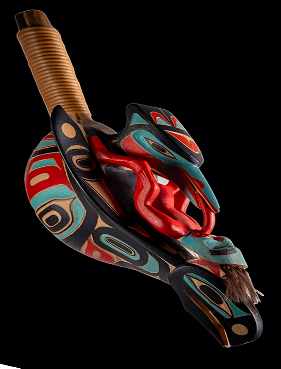
At Kuwdjáaw Yéil, Raven in Motion
SHI’s 2025 exhibit explored the many ways Raven continues to shape the cultural, environmental, and artistic landscapes of the Tlingit, Haida, and Tsimshian peoples.
-
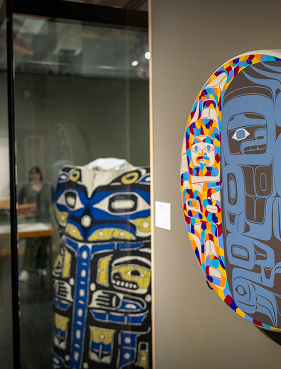
Juried Art Show
SHI’s biennial Juried Art Show and Competition featured pieces by Tlingit, Haida, and Tsimshian artists chosen for display.
-
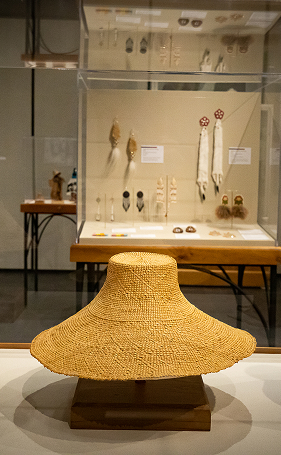
Native Women’s Art: Drawn From the Spirits of Ancestors Within
This exhibit celebrated the rich traditions and real-life experiences of Alaska Native women artists, featuring works from Alutiiq, Athabascan, Iñupiat, Yupik, Tlingit, Haida, and Tsimshian artists.
-
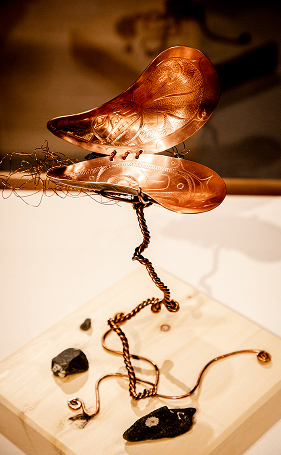
Juried Art Show
SHI’s biennial Juried Art Show and Competition featured pieces by Tlingit, Haida, and Tsimshian artists chosen for display.
-
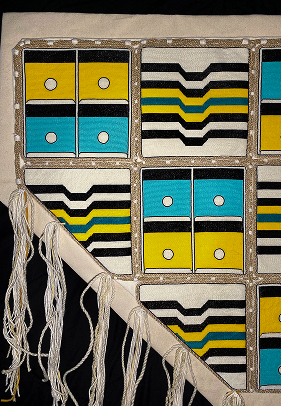
Juried Art Show
SHI’s biennial Juried Art Show and Competition featured pieces by Tlingit, Haida, and Tsimshian artists chosen for display.
-
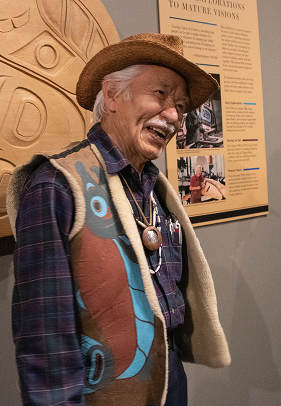
Yéil Yádi—Raven Child: A Nathan Jackson Retrospective
This retrospective featured the work of Tlingit master artist Nathan Jackson, one of the most renowned and internationally recognized Tlingit artists of his generation.
-
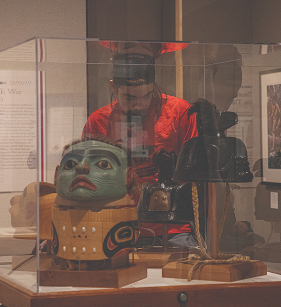
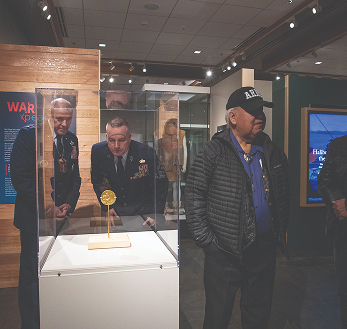
War & Peace
This exhibit delved into traditional Tlingit laws, the consequences for breaking them, and the complex peace ceremonies that ended conflicts and restored balance.
-
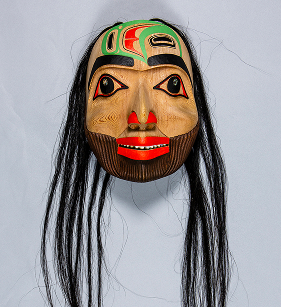
Juried Art Show
SHI’s biennial Juried Art Show and Competition featured pieces by Tlingit, Haida, and Tsimshian artists chosen for display.
-
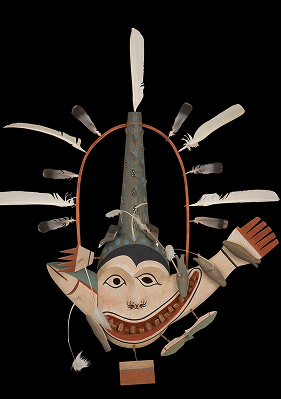
Alaska Native Masks: Art & Ceremony
This exhibit featured Native masks from across the state and elucidated their ancient and current uses, with works from the Iñupiat, Yupik, Alutiiq, Athabascan, Tlingit, Haida, and Tsimshian peoples.
-
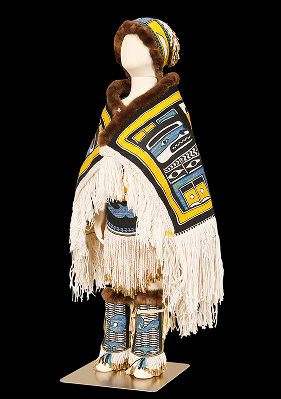
Juried Art Show
SHI’s biennial Juried Art Show and Competition featured pieces by Tlingit, Haida, and Tsimshian artists chosen for display.
-
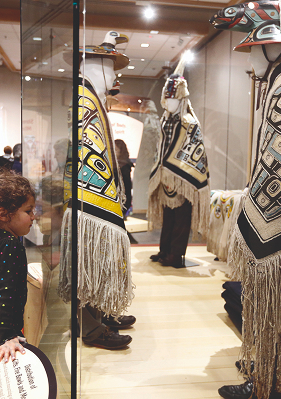
Enter the World of the Tlingit, Haida & Tsimshian Peoples
This exhibit featured highly valued clan possessions integral to traditional ceremonies. These objects are known as clan at.óow, meaning “that which was paid for,” usually with the life of a clan ancestor.